

Gel Polish for Sensitive Nails: How to Protect Reactive Skin
Some clients find that gel polish causes irritation, dryness or reactions around the nail area. This doesn't necessarily mean gel polish is off the table — it means the approach needs to be more careful. Here's a guide to managing sensitive skin and nails when using gel polish.

What Causes Gel Polish Sensitivity?
The most common cause of gel-related skin sensitivity is contact with uncured gel monomer — the active chemical compounds in gel polish before they're fully polymerised by the LED lamp. When uncured gel contacts skin repeatedly, some people develop sensitisation to the acrylate compounds involved.
The primary risk factors are: gel regularly getting onto the skin during application (flooding the cuticle), undercuring (leaving reactive monomers in the gel), and using gel products that contain high-sensitisation-risk ingredients such as HEMA.
Switching to HEMA-Free Gel Polish
For clients with known sensitivity or those who want to minimise risk, HEMA-free gel polish is the most important switch to make. Gelish is HEMA-free and TPO-free — removing the highest-sensitisation-risk acrylate monomer from the formula significantly reduces, though doesn't entirely eliminate, the sensitisation risk from gel application.
Application Technique Matters Most
The most effective way to reduce sensitivity risk is correct application technique:
- Keep gel off the skin — a 0.5–1mm margin between the gel and the cuticle/skin walls is essential. Flooding the cuticle is the primary cause of skin exposure to uncured gel.
- Cure fully — ensure every layer is fully cured under a quality LED lamp. Undercured gel leaves reactive monomers in the product that continue to contact the nail and surrounding skin.
- Cap the free edge — sealing the tip of every coat reduces exposure of the nail edge and prevents monomer migration.
- Use liquid latex or tape — professionals apply these around the cuticle before application to prevent any gel touching the skin. Remove before curing.
If a Reaction Has Already Occurred
If you've had a confirmed allergic reaction to gel products, the correct course is to stop all gel use and consult a dermatologist before returning to any acrylate-containing product. Once sensitised, the immune response typically worsens with each subsequent exposure — and even HEMA-free products contain alternative acrylates that may trigger a reaction in sensitised individuals.
Do not attempt to manage a confirmed acrylate allergy by switching products alone without professional medical guidance.
Skin Care Around the Nail
Daily cuticle oil and hand moisturisation keep the skin around the nail barrier-healthy, which reduces the risk of irritation from any product contact. Well-hydrated, intact skin is significantly more resistant to sensitisation than dry, cracked or compromised skin.
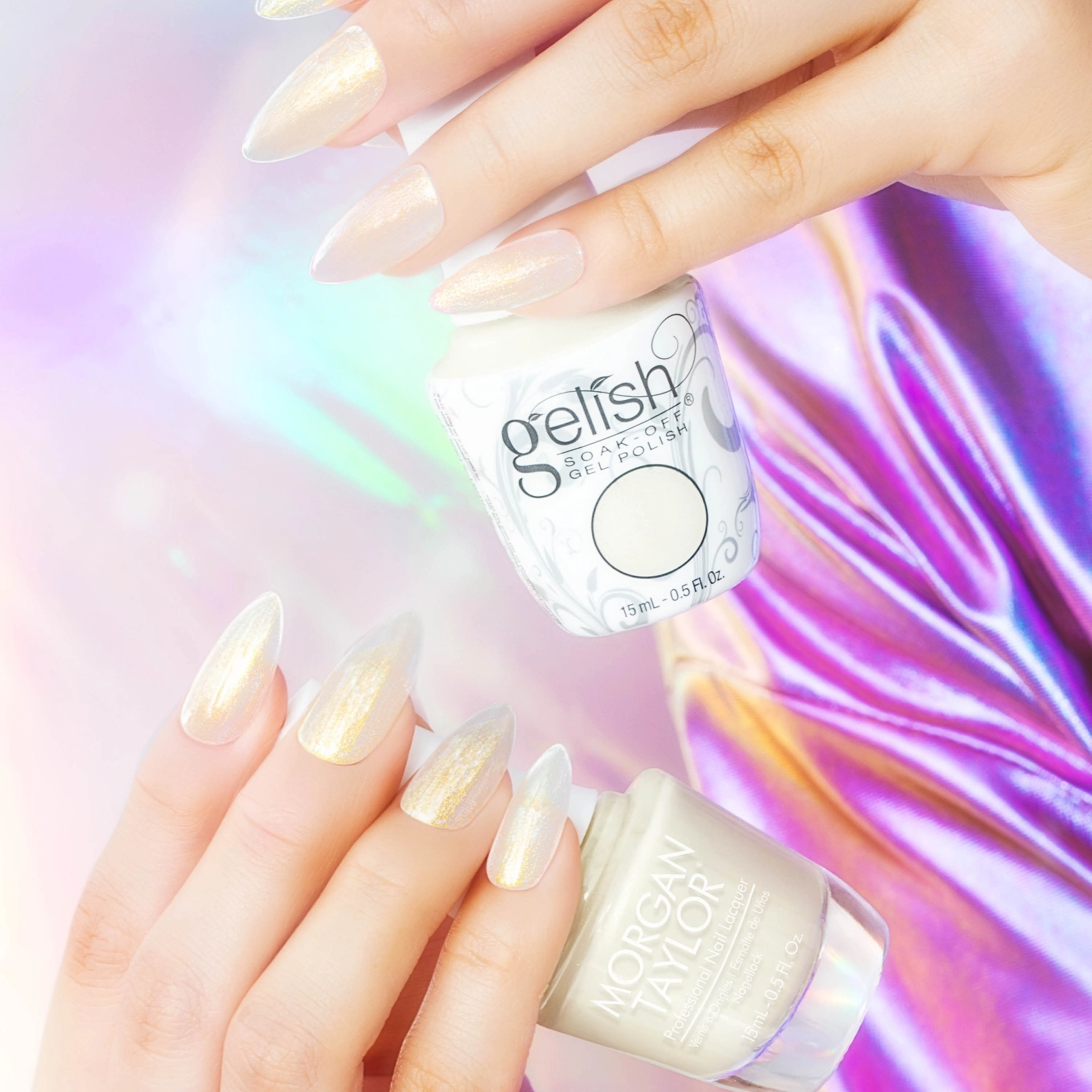
Gelish gel polish is HEMA-free and TPO-free — the professional choice for reduced sensitisation risk. Browse the full Gelish range at Nail Outlet — same-day UK dispatch, free shipping over £50 + VAT.
Frequently Asked Questions
Can I use gel polish if I have sensitive skin?
Many people with sensitive skin use gel polish without issues. The key is keeping gel off the skin during application, using HEMA-free products and ensuring full curing. If you've had a confirmed acrylate reaction, seek medical advice first.
Why does gel polish cause itching or burning?
Itching or burning during gel application usually indicates gel is contacting the skin. This is a sensitisation risk — ensure gel is kept off the skin and that the lamp is fully curing each coat.
Is HEMA-free gel polish safe for everyone?
HEMA-free reduces but doesn't eliminate the sensitisation risk from gel polish, as other acrylate monomers are still present. For most clients, HEMA-free gel with correct application technique is safe for regular use.